Recognizing the Manufacturing Refine and Maintenance Practices for Light Weight Aluminum Factory Products
The manufacturing procedure for aluminum shop products is complex and requires a detailed understanding of several stages. From the melting of light weight aluminum at high temperatures to different casting methods, each step plays an important function. In addition, maintenance practices assure devices remains efficient and products are devoid of issues. The intricacies of these procedures and their impact on item quality raise important inquiries regarding ideal techniques and cutting-edge methods in the sector.
Review of Light Weight Aluminum Shop Products
Aluminum factory items are crucial parts in various sectors, providing a blend of lightweight stamina and deterioration resistance. These items are typically used in fields such as auto, aerospace, and construction, where sturdiness and effectiveness are vital. Aluminum's reduced thickness makes it a suitable product for applications requiring decreased weight without sacrificing structural stability. The adaptability of aluminum enables the production of intricate geometries, dealing with diverse layout needs.
Aluminum shop items can be customized with different alloys to boost particular residential or commercial properties, such as improved thermal conductivity or boosted solidity. Their resistance to oxidation and rust guarantees long life, making them ideal for both exterior and interior applications. The combination of these characteristics adds to the expanding preference for aluminum in contemporary manufacturing. As markets look for to enhance efficiency and sustainability, light weight aluminum shop items proceed to play a vital function in fulfilling these demands.
Melting Refine: Transforming Aluminum
The melting process is a fundamental action in the manufacturing of light weight aluminum shop items, as it changes strong light weight aluminum right into a liquified state suitable for spreading. This procedure commonly happens in a furnace, where scrap aluminum or ingots are warmed to temperatures around 660 degrees Celsius. The option of heater-- be it electrical, gas, or induction-- impacts the effectiveness and expense of melting.
Throughout melting, cautious consideration is offered to the removal of impurities, such as oxides and other contaminants, which can negatively affect the top quality of the final item. Changes may be included to help in this purification process, enhancing the fluidity of the liquified metal.
On top of that, temperature level control is necessary to ensure harmony and prevent getting too hot, which can lead to oxidation. The melting process not only prepares aluminum for casting however likewise plays a considerable function in figuring out the honesty and buildings of the final shop products.
Casting Techniques in Aluminum Foundry
Different casting techniques are used in aluminum shops to create top quality elements, each fit to various applications and specifications. Among one of the most generally made use of techniques are sand casting, die casting, and investment casting. Sand casting utilizes a mixture of sand and binder to develop mold and mildews, permitting large parts and intricate shapes (aluminum metal casting). Die casting, defined by the high-pressure injection of liquified aluminum right into steel molds, produces repeatable and accurate elements, ideal for mass manufacturing. Investment casting, or lost-wax spreading, entails creating a wax model that is coated in a ceramic covering, enabling intricate designs and great details. Each technique has its advantages; sand spreading is economical for low-volume production, while die spreading uses efficiency for high-volume runs. Investment spreading is favored for parts calling for phenomenal precision and surface area finish. Choosing the appropriate method depends upon elements such as production volume, part intricacy, and material residential properties
Completing Procedures for Aluminum Parts
After casting strategies have actually formed the light weight aluminum elements, completing processes play a considerable role in improving their capability and aesthetic charm. These processes usually consist of machining, surface area treatment, and finishing applications. Machining entails accurate elimination of product to attain desired measurements and surface high quality. This is important for ensuring that parts fit perfectly into their desired applications.
Surface treatments, such as anodizing and sprucing up, are used to improve deterioration resistance and enhance visual attributes. aluminum foundry. Anodizing, specifically, offers a protective oxide layer, making the light weight aluminum more durable and aesthetically enticing

Maintenance Practices for Longevity
Applying browse this site regular upkeep methods is important for making sure the durability of aluminum shop products. Routine examinations ought to be carried out to determine damage, as early detection can avoid expensive repair work and extend the life expectancy of parts. Cleaning tools and equipment consistently decreases the risk of contamination, which can adversely influence product high quality. Lubrication of moving components is likewise crucial, as it lowers rubbing and wear, boosting operational performance.
Additionally, the execution of a preventive upkeep timetable aids in methodically addressing potential concerns before they intensify (Casting Foundry). This includes monitoring for leakages, ensuring appropriate placement, and adjusting equipment. Personnel training on proper handling and maintenance techniques fosters a society of care, which is crucial for maintaining item integrity. Ultimately, recording upkeep activities supplies beneficial understandings right into efficiency fads, permitting notified decision-making relating to future maintenance approaches
Top Quality Control and Testing in Light Weight Aluminum Shop Manufacturing
Quality control and screening are critical in light weight aluminum factory production, as they assure that final products satisfy defined criteria and customer assumptions. This process starts with resources examination, making sure that light weight aluminum alloys abide by needed make-ups. Throughout the production cycle, in-process evaluations are conducted to keep an eye on parameters like temperature, pressure, and product flow.
As soon as spreading is total, various tests-- such as dimensional checks, visual examinations, and non-destructive screening-- are executed to recognize any flaws. Mechanical residential properties, including tensile toughness and solidity, are evaluated with standard screening methods.
Adherence to market standards, such as ISO and ASTM, is vital for ensuring item quality. Analytical procedure control strategies are usually utilized to assess manufacturing data and assist in continuous enhancement. By carrying out strenuous high quality control procedures, light weight aluminum shops can enhance item dependability and lessen waste, inevitably bring about higher customer satisfaction and operational performance.
Regularly Asked Concerns
What Are the Ecological Effects of Aluminum Foundry Procedures?
Light weight aluminum foundry procedures can lead to significant ecological effects, consisting of air contamination from exhausts, water contamination from waste discharge, and power consumption adding to greenhouse gas exhausts, ultimately influencing neighborhood communities and community wellness.
Just How Do Aluminum Costs Influence Shop Production Choices?
Aluminum costs greatly influence foundry production decisions; higher rates may result in lower result or enhanced site performance procedures, while reduced prices can motivate expanded manufacturing and investment in new modern technologies to enhance competition and success.
What Security Steps Are Necessary in Aluminum Foundries?
Important precaution in aluminum shops include protective gear, appropriate air flow to minimize breathing of fumes, routine devices maintenance, training on emergency procedures, and adherence to security methods to stop accidents and injuries among employees.
Can Aluminum Be Recycled, and How Is It Refined?
Aluminum can indeed be recycled. The process entails collection, melting, and reforming the product into brand-new items, substantially decreasing energy consumption and environmental influence compared to primary these details aluminum manufacturing while maintaining worldly quality.
What Are Typical Defects in Aluminum Casting and Their Causes?
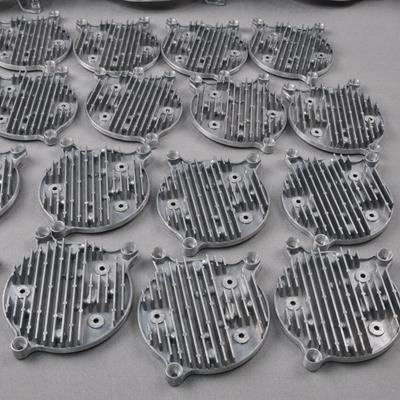
The production process for aluminum factory items is intricate and calls for a complete understanding of numerous phases. Aluminum foundry products are essential parts in different industries, offering a mix of lightweight stamina and corrosion resistance. The melting process is a fundamental action in the manufacturing of light weight aluminum factory items, as it transforms strong light weight aluminum right into a molten state ideal for spreading. Carrying out normal maintenance practices is important for ensuring the long life of light weight aluminum shop products. Quality control and testing are paramount in light weight aluminum foundry production, as they guarantee that final products fulfill defined standards and customer expectations.
Comments on “The advantages of working with an Aluminum Foundry for your engineering needs”